What do a doomed starship and the teachers’ lounge copier have in common? A thirty-second countdown and a desperate need for a miracle. Here is how I channel my inner Scotty to survive the morning paper jam.
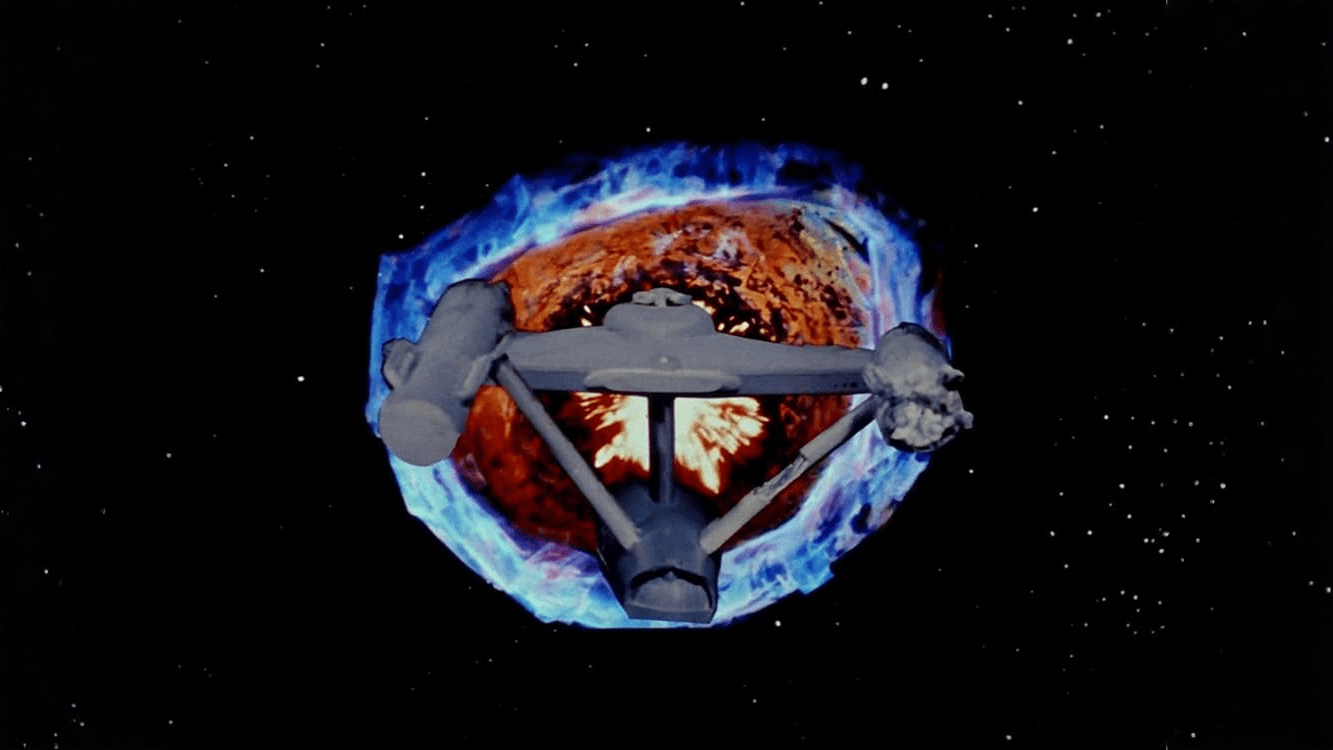
In the heart-stopping finale of the Star Trek episode “The Doomsday Machine,” Captain Kirk is stranded on a ship timed to explode. With 30 seconds remaining, he calls for beam-up, but the Enterprise transporter blows a fuse.
While Sulu counts down the seconds until Kirk is vaporized, Scotty fights the smoking circuits, egged on by Spock’s metronomic impatience. At the last possible moment, Scotty hotwires the system, slaps the wall, and yells, “Try her now!” The transporter trills, and the captain materializes safely back home.
The Real Doomsday Machine
That scene is pure adrenaline. The ultimate “there’s no way in hell this will work, but let’s try anyway” energy. That gut-wrenching moment plays in my head every time I use the copier in our teachers’ lounge.
Usually, it starts with a short line of three or four teachers gathering before first period, each hoping to make copies for their class. On a table near the copier, a fresh box of crullers beckons, a quiet reward for anyone surviving a morning paper jam. With so many people ahead of me, a familiar dread creeps in—the more the copier is used, the closer we come to toner-fueled Armageddon.
I casually poll the others, trying to gauge their copy loads. Most requests are modest: 120 copies, front and back. Maybe 30 sets of a two-page packet, double-sided and stapled. Manageable.
But every so often comes the catastrophic revelation—say, a calculus teacher who needs 100 copies of a 22-page study guide. Suddenly the routine turns grim; the sight of that thick packet feels less like math and more like a stone tablet carved with hieroglyphic curses, dooming the machine.
The copier’s jams, stalls, and shrieks of anguish aren’t distant possibilities—they’re inevitable, gargoyle-like, crouched above us, wings half-spread, waiting to swoop.
Red Alert on Tray 2
The tardy bell looms. I load my documents, set the number, and hit the green print button.
Disaster feels imminent, and the infernal device doesn’t disappoint: “Paper misfeed, Tray 2.” Usually, it’s a minor issue, but under these circumstances, it triggers a Red Alert klaxon in my mind.
Somewhere in my mind, I can almost hear Sulu’s deep voice: “30 seconds left.”
What begins as a small hiccup often snowballs. Trying to ignore those thoughts, I clear the Tray 2 issue, only to face a new, more ominous warning—a paper jam in Area 9, that familiar paper-mangler deep in the bowels of my tormentor.
Sulu’s voice returns, steady as ever: “19 … 18 … 17.”
I wrestle open doors, gently tug at jammed sheets, but one won’t let go. I pull harder, and the culprit pops free—except for a ragged corner stubbornly clenched in the machine’s jaws. “15 … 14 … 13.” For a second, I consider leaving it—maybe it’s a minor scrap, maybe the machine won’t notice. But experience says: the copier always notices.
I spin wheels and unclick latches, desperate to free the orphan scrap. Then, I see it—finally loosened from the beast’s iron grip. I reach in, pull out the ragged piece, and secure all the internals.
A Wee Bit of a Miracle
I remove my now toner-scarred hand, close the last panel, and let myself hope for a miracle. The hum of the machine rises, steady and powerful, as Sulu’s countdown hits zero.
All forty copies land in the tray, crisp, unsmudged, and warm—like fresh chemical bread from the oven.
As the tardy bell rings, I scoop my copies and dash for the exit, ready for a classroom full of AP students.
Just before reaching the door, I lift the lid in sweet anticipation—only to be devastated by the greasy, sugary outline where crullers sat just minutes ago.
Shaking off my disappointment, I encounter one of my young colleagues, who always radiates the warmest smile. She asks, “How are you this morning?”
I hold up my copies, give her my best impish Mr. Scott smile, and say, in my best Scottish brogue, “I got ’em through, lassie.”