
he manna stopped the day after they ate this food from the land; there was no longer any manna for the Israelites, but that year they ate the produce of Canaan. (Joshua 5:12)
In the classic Depression-era film The Grapes of Wrath, the Joad family piled everything they owned onto a flatbed truck and headed west with nothing but hope and some dubious flyers promising work in California. They were characters on a screen, but for my family, those rickety trucks and dusty roads were real life. My mother was less than a year old when her family left West Texas and joined that river of headlights flowing toward California.
When Prayer Met Provision
My uncle J.T., who was old enough to remember those turbulent times, told me about the night they pulled into a makeshift picker’s camp, one that looked just as desperate as the one the Joads rolled into. They were tired, they were broke, and they were far from home. But they did what they had always done: they pitched their tent and bowed their heads and asked God for His provision before they ate.
J.T. told me they had barely whispered “Amen” when a big car rolled slowly through the camp. It drove past dozens of other tents and pulled up right in front of theirs. The window rolled down, and a man looked out at my grandfather and asked, “Would you folks be interested in some work?”
That offer wasn’t the harvest yet. It was manna. It was a temporary mercy sent to sustain them in the wilderness, keeping them alive until they could reach whatever modest prosperity they believed was waiting for them down the road.
From Manna to Old Corn
That moment in the picker’s camp echoes an older story of provision and wandering. For the believer, the wilderness is never the end of the story. Scripture tells us of another weary people whose wanderings finally ceased. In Joshua 5, when Israel finally crossed the Jordan and entered the Promised Land, they stopped eating manna and began eating “the produce of the land” and “the old corn of the country.”
The “old corn” represented stored harvest—the fruit of an established, settled life. They were done wandering. They were home.
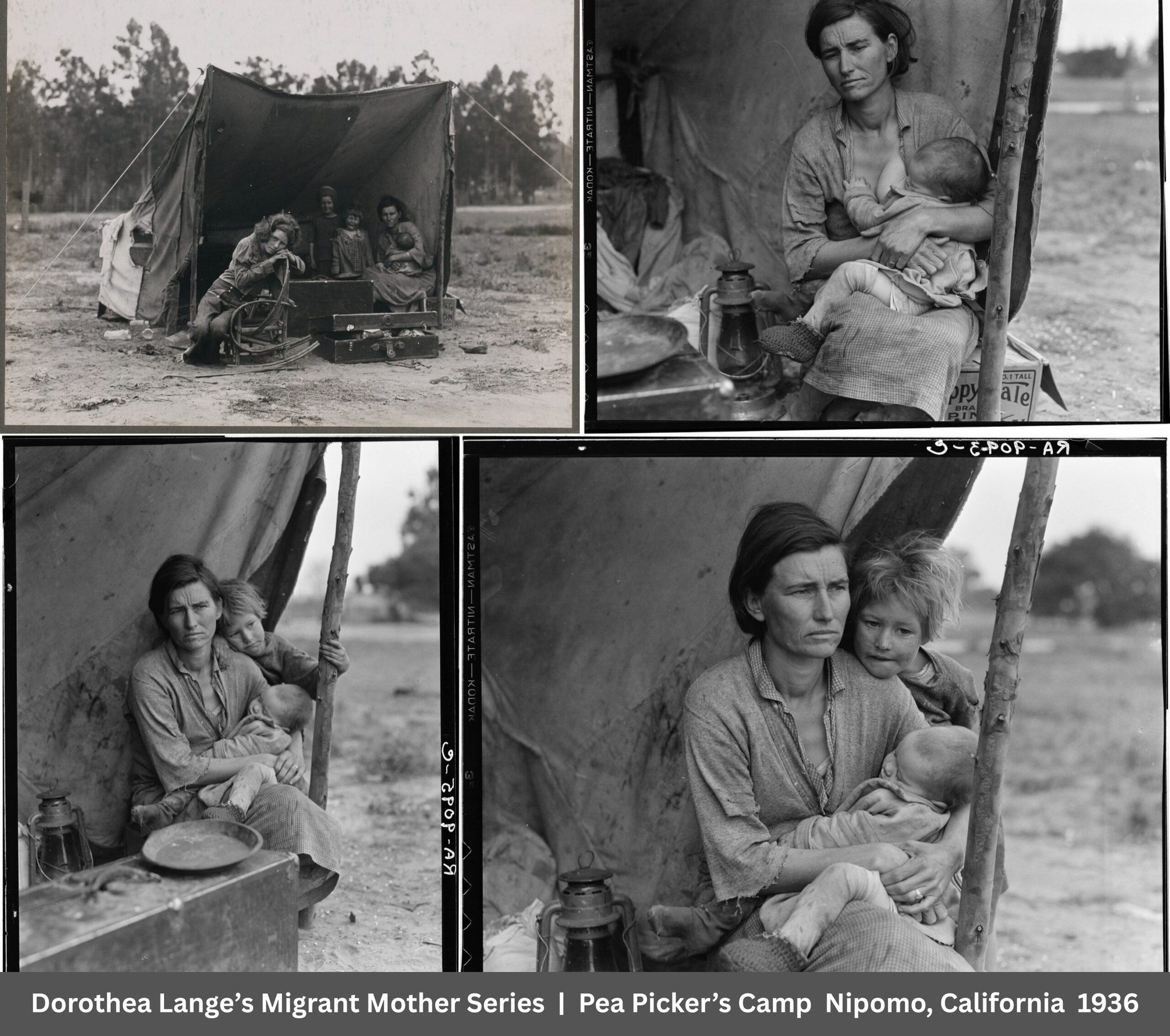
Just like the famous “Migrant Mother” in Dorothea Lange’s photography, my family didn’t stay in the tents forever. Thirty or forty years later, they looked nothing like the hollow-cheeked despair of the picker camps. They had become sharecroppers and eventually landowners, people who finally got to “eat the stuff they raise.” They moved from the manna of daily survival to the old corn of a settled harvest.
My family eventually found better times—not heaven on earth, but stable ground. Even the Promised Land had its troubles; Jesus warned us that in this life we will have tribulation.
But there’s a final Jordan still ahead, and when we cross that river into eternity, we’ll find the real Promised Land—one without hardship, sorrow, or pain.
